%2020_19_05.png)


Mandala: The Rose Sustaining Ecuador’s Presence in the Russian Market

The Russian market, historically one of the leading destinations for Ecuadorian roses, now operates under a logistics and economic landscape that is radically different from just a few years ago. Since the beginning of the war, direct shipments of Ecuadorian flowers to Russia have largely ceased to be viable, forcing the distribution chain to reorganize around alternative routes through Turkey, Kazakhstan, and Kyrgyzstan. These detours have significantly extended transit times and increased operating costs.

This logistical complexity is compounded by economic pressure. As an ornamental product, flowers are particularly sensitive to declines in consumer purchasing power, with households tending to prioritize essential goods when economic conditions tighten. Even so, Russia remains an important market for Ecuadorian floriculture, although under considerably more demanding conditions than before the conflict.
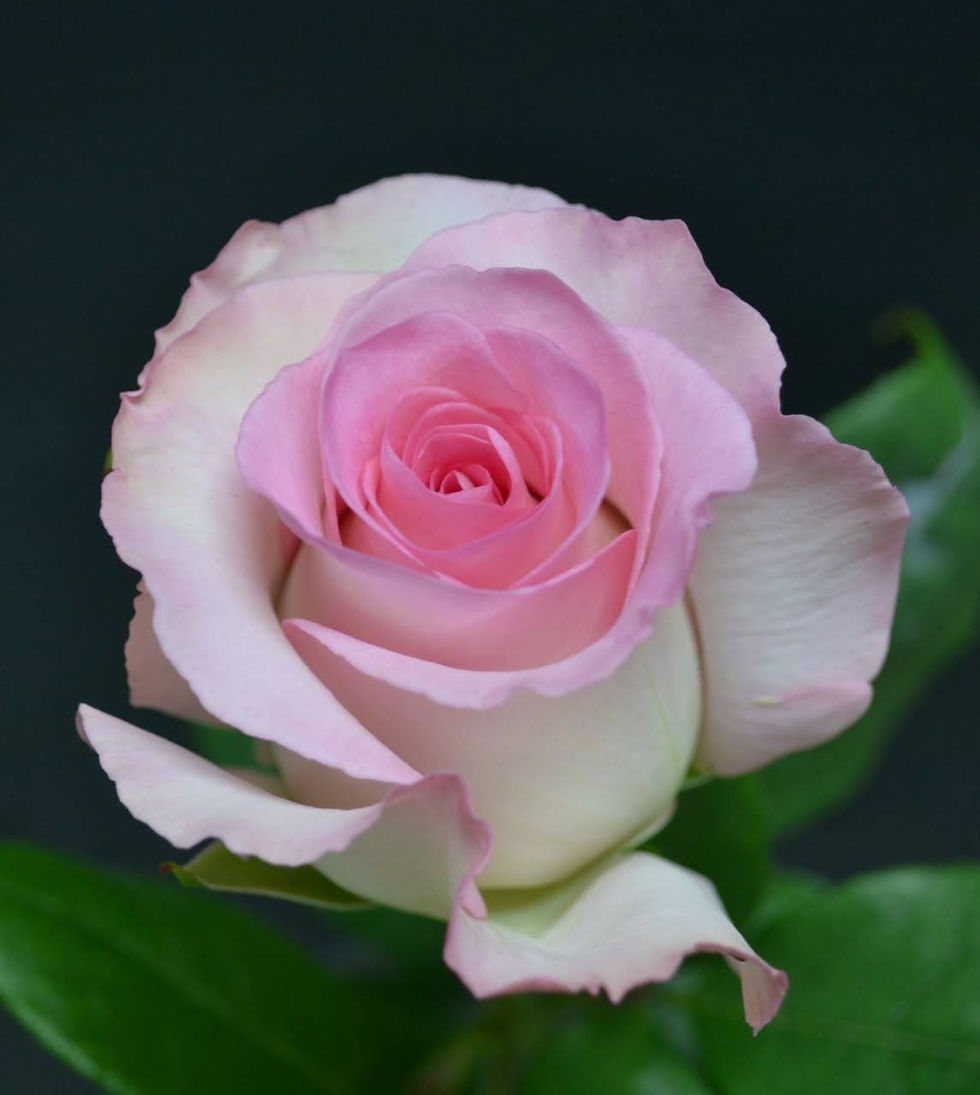
Within this context, Mandala, a variety from breeder De Ruiter, has established itself as one of the most sought-after roses in the market—the undisputed queen of the Russian segment. Its performance is driven by a combination of genetic traits that become especially important when transit times are extended: a large, firm bud with slow opening characteristics, allowing the flower to withstand long-distance transportation without developing too quickly in transit.

That slower opening process provides a valuable margin upon arrival, allowing the rose to continue developing progressively in the vase while maintaining an attractive final presentation for the consumer.
Mandala also stands out for its firm petals, stems with very few thorns, and notably lower susceptibility to Botrytis compared with many other pink varieties. This is particularly relevant in prolonged logistics chains, where flowers face greater exposure to fluctuations in humidity and temperature.
These genetic advantages, however, only translate into consistent results when supported by rigorous postharvest management. Proper hydration before dispatch is critical, as is tighter control over the number of bunches packed per box—a practice that has become increasingly standardized across the industry in recent years to minimize mechanical damage during transportation.
Russian buyer preferences are also evolving. The traditional demand for large-headed roses with long stems remains strong, but it is no longer absolute. Budget constraints have pushed part of the market toward shorter stems and slightly smaller formats, while also increasing interest in geographically closer suppliers such as China, where overland access can reduce transportation costs.
Rather than representing a permanent change in aesthetic preference, this appears to be a commercially driven adjustment shaped by current market conditions.
Maintaining a strong position in such a specialized market requires rigorous varietal selection. In Ecuador, introducing a new rose variety into commercial production means simultaneously evaluating productivity, postharvest performance, disease tolerance, and transportability before the material can be considered suitable for demanding export destinations.
Mandala is the result of that kind of selection process: a multi-market variety with an established presence across several destinations, combining strong commercial appeal with the operational resilience required for long-distance distribution.
At a time when logistics have become longer, more expensive, and more complex, Mandala’s continued strength in Russia illustrates one of the central principles of modern floriculture: varietal genetics and disciplined postharvest management, working together, are what ultimately enable Ecuadorian flowers not only to reach distant markets—but to perform successfully once they arrive.


Comments